

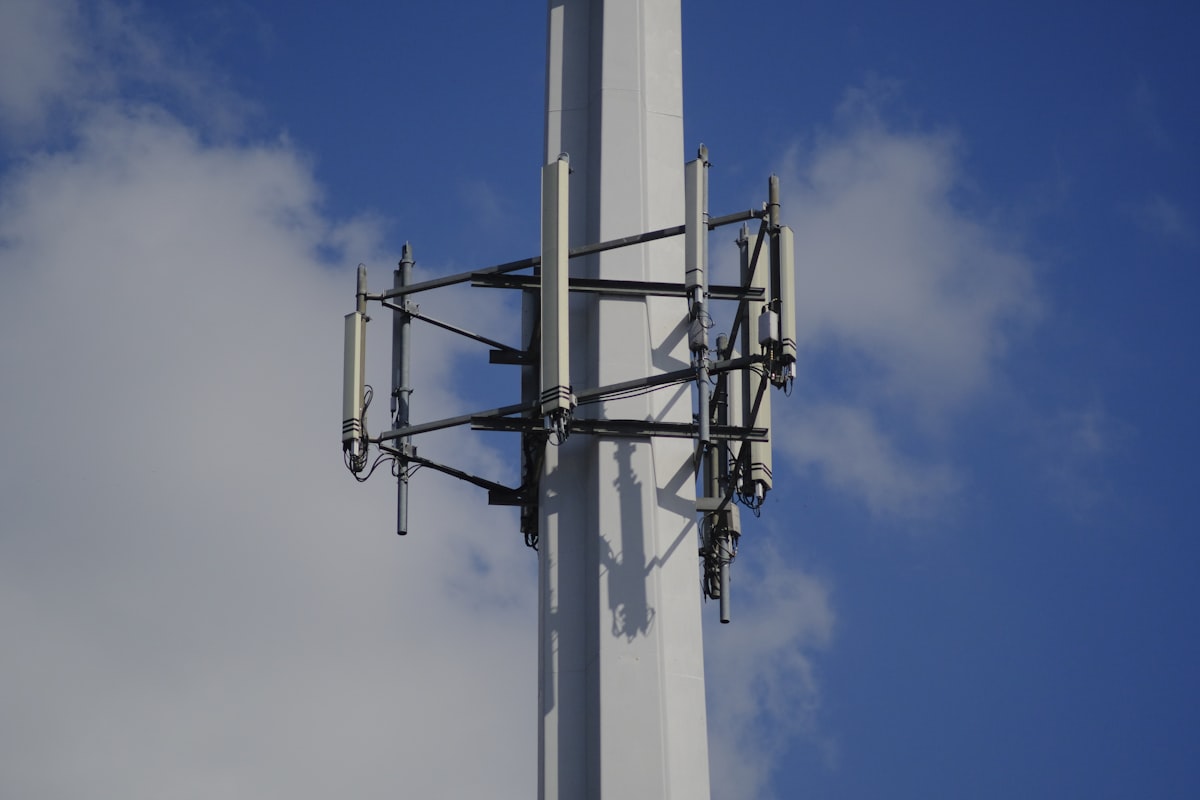
El Consejo Directivo del Instituto Dominicano de las Telecomunicaciones (Indotel) adjudicó, mediante la resolución núm. 73-2026, 240 MHz de espectro radioeléctrico a la empresa vietnamita Viettel y 20 MHz adicionales a Claro Dominicana. La decisión, comunicada el 19 de agosto de 2026, es el resultado de la Licitación Pública Internacional Indotel/LPI-001-2026 y convierte a Viettel en el cuarto operador móvil del país, junto a Claro, Altice y Viva.
Qué se adjudicó exactamente
Viettel obtuvo los 240 MHz repartidos en tres bandas, con una concesión a 20 años:
- 40 MHz en la banda de 700 MHz, la de mayor alcance y penetración en interiores.
- 100 MHz en la banda de 2.3 GHz.
- 100 MHz en la banda de 3.6 GHz, la banda insignia del 5G de capacidad.
La licitación abarcó los rangos 698-806 MHz, 1,765-1,780 MHz, 2,165-2,180 MHz, 2,300-2,400 MHz, 3,540-3,560 MHz y 3,600-3,700 MHz. Viettel deberá constituir una sociedad en República Dominicana, que será la titular de la licencia. La prensa local sitúa la inversión anunciada en torno a los US$500 millones.
Por qué esto importa más allá del precio del plan de datos
La lectura fácil de esta noticia es la del consumidor: más competencia, tarifas presionadas a la baja, mejores planes. La lectura relevante para una empresa es otra. Un cuarto operador con espectro nuevo en 700 MHz y 3.6 GHz significa, en un horizonte de dos a cuatro años:
- Más cobertura útil fuera del Gran Santo Domingo. Los 700 MHz son la banda que hace viable dar servicio estable en zonas rurales y en interiores de edificios. Para operaciones con sucursales, rutas de distribución o personal en campo, eso cambia qué se puede digitalizar y dónde.
- Más capacidad para aplicaciones que hoy se evitan por ancho de banda. Video en punto de venta, sincronización de datos en tiempo real entre sucursales, dispositivos IoT en agencias.
- Una nueva variable de continuidad operativa. Con cuatro redes disponibles, la redundancia de conectividad deja de ser un lujo y pasa a ser una decisión de arquitectura razonable: enlaces primarios y de respaldo en operadores distintos.
El punto ciego: la integración
Cada operador nuevo trae su propio ecosistema de APIs, portales de facturación, SIMs corporativas, canales de soporte y SLA. Las empresas que ya arrastran una arquitectura fragmentada —un sistema para tickets, otro para inventario, otro para clientes— corren el riesgo de sumar una capa más de complejidad en vez de aprovechar la nueva capacidad.
La ganancia real de una mejor infraestructura de telecomunicaciones no se materializa en la factura del operador; se materializa cuando los sistemas internos pueden usar esa conectividad. Un canal de datos más rápido no sirve de mucho si el sistema que atiende al cliente sigue siendo una hoja de cálculo compartida o una bandeja de correo sin trazabilidad.
Qué conviene revisar ahora
- Inventario de dependencias de conectividad: qué procesos se caen si se cae el enlace principal.
- Contratos vigentes y sus fechas de renovación, para negociar con cuatro competidores en la mesa y no con tres.
- Capacidad de los sistemas internos para operar en modo degradado o sin conexión y sincronizar después.
En TEKFENIX trabajamos justamente en esa capa: la que convierte infraestructura en operación. Nexturno gestiona turnos y colas en sucursales apoyándose en canales digitales que dependen directamente de la calidad de la conectividad; Servigo365 centraliza la atención al cliente multicanal con IA para que un mejor enlace se traduzca en respuestas más rápidas y no solo en más tráfico; y CumplimientoControl sostiene la trazabilidad regulatoria que las entidades financieras necesitan sin importar por qué red viajen los datos. Si su empresa está evaluando cómo aprovechar el nuevo escenario de telecomunicaciones dominicano, el punto de partida no es el contrato con el operador: es la arquitectura de sus sistemas.