

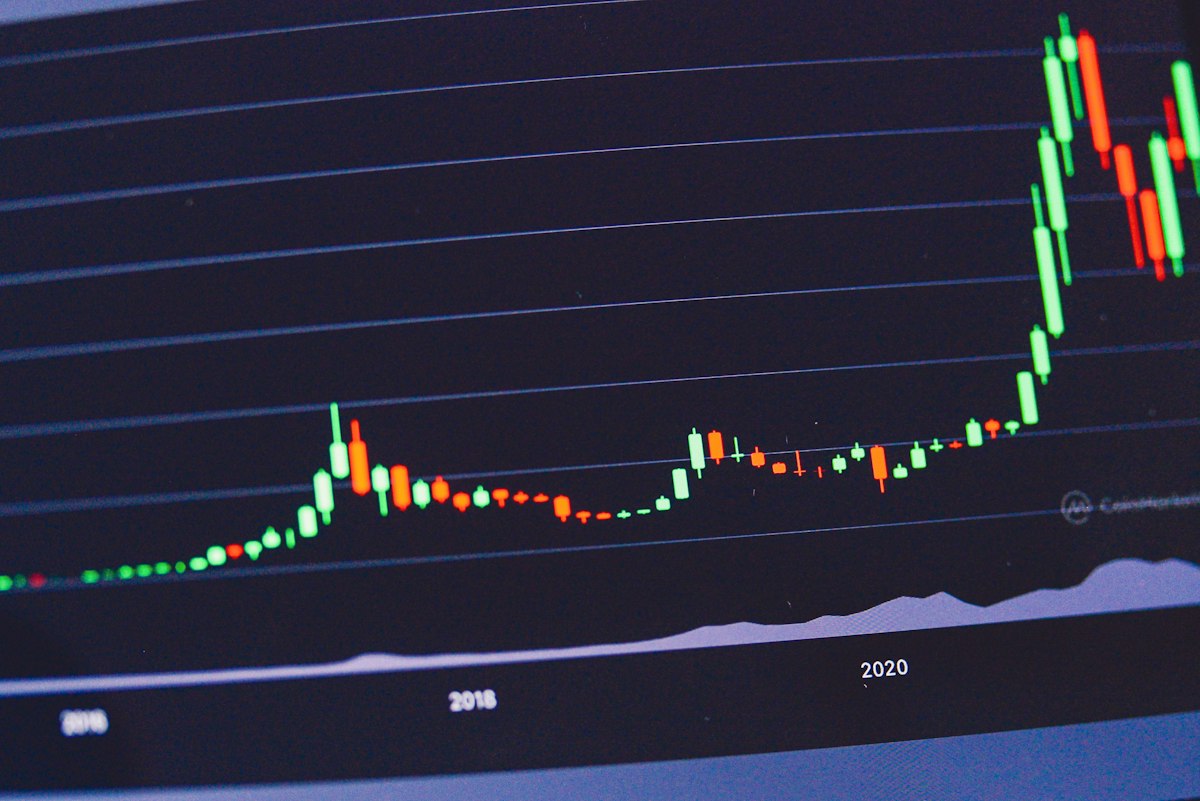
El 3 de septiembre de 2026, ResearchAndMarkets publicó su informe global sobre el mercado de plataformas de cumplimiento fintech y regtech impulsadas por inteligencia artificial. Las cifras: el mercado pasa de 16.070 millones de dólares en 2025 a 19.910 millones en 2026, con una tasa compuesta de crecimiento anual de 23,9%, y se proyecta que alcance 47.260 millones en 2030 con una TCAC de 24,1%.
Qué segmentos concentran el gasto
El informe divide el mercado en cinco tipos, y el orden es revelador de dónde está el dolor real:
- Antilavado de activos y detección de fraude.
- Conozca a su cliente e verificación de identidad.
- Automatización del reporte regulatorio.
- Monitoreo de transacciones.
- Gobierno de comunicaciones digitales.
Dentro del primer segmento, los subsegmentos listados son evaluación de riesgo del cliente, detección de actividad sospechosa, tamizaje de sanciones, prevención de fraude, gestión de casos y tamizaje de pagos. No es casualidad que la gestión de casos aparezca como una categoría propia: el trabajo del cumplimiento no termina cuando salta la alerta, empieza ahí.
El falso positivo como línea presupuestaria
El informe menciona de forma explícita que las instituciones están usando detección de anomalías de comportamiento y aprendizaje automático para identificar actividad sospechosa con mayor precisión, agilizar las investigaciones y reducir alertas de falso positivo. Esa última frase es la que sostiene buena parte del crecimiento del mercado.
Un sistema de monitoreo mal calibrado no produce menos riesgo: produce más trabajo. Cada alerta falsa consume horas de un analista que podría estar mirando la alerta que sí importa. Cuando el volumen crece más rápido que el equipo, la calidad de la revisión cae, y el resultado paradójico es que un sistema más ruidoso puede dejar pasar más casos reales que uno más selectivo.
El contexto de fraude que empuja la inversión
El informe cita datos del gobierno británico publicados en noviembre de 2025: las empresas experimentaron aproximadamente 6,04 millones de incidentes de fraude en doce meses, concentrados en tres categorías, fraude de facturas falsas, fraude de inversión y fraude de mandato. La expansión de pagos digitales, transacciones en línea y banca móvil abre superficie para suplantación, fraude de pagos y accesos no autorizados.
Norteamérica fue la mayor región en 2025, mientras que Asia-Pacífico se proyecta como la de crecimiento más rápido. Entre las empresas perfiladas aparecen Entrust, Fenergo, Chainalysis, Feedzai, Socure, Trulioo, SEON, ThetaRay, Unit21, Elliptic, Sardine, Hawk AI y ComplyAdvantage.
Lo que este número no dice
Un mercado que crece 24% anual también atrae soluciones que resuelven el problema de la demostración y no el de la operación. Tres preguntas separan una cosa de la otra:
- ¿La plataforma explica por qué generó una alerta, en términos que un supervisor acepte, o solo entrega un puntaje?
- ¿La reducción de falsos positivos se mide contra casos confirmados, o solo contra el volumen total de alertas?
- ¿Qué queda registrado cuando el modelo cambia de versión y las alertas de ayer ya no se reproducirían hoy?
La perspectiva desde el Caribe y Latinoamérica
Para una entidad dominicana o regional, el desafío no es igual al de un banco global. El volumen es menor, pero las exigencias de la Ley 155-17 y la supervisión basada en riesgos son igual de reales, y el equipo de cumplimiento suele ser pequeño. Eso invierte la prioridad: no se trata de procesar más alertas, se trata de que las pocas personas disponibles miren las correctas.
Es la razón por la que en TEKFENIX construimos CumplimientoControl alrededor del monitoreo de medios adversos y la trazabilidad regulatoria más que alrededor del puntaje: cada coincidencia debe poder explicarse, cada descarte debe quedar registrado con su motivo, y cada consulta debe poder reconstruirse ante un supervisor meses después. Si su institución está evaluando invertir en esta categoría, la pregunta útil no es cuántas alertas genera la herramienta, sino cuántas puede usted defender.